Hungry people search nearby. Does your restaurant show up?

Hey, I'm Umar. Marketing is the work I still get excited about, from writing and YouTube to digital marketing and what AI can do for a real business.
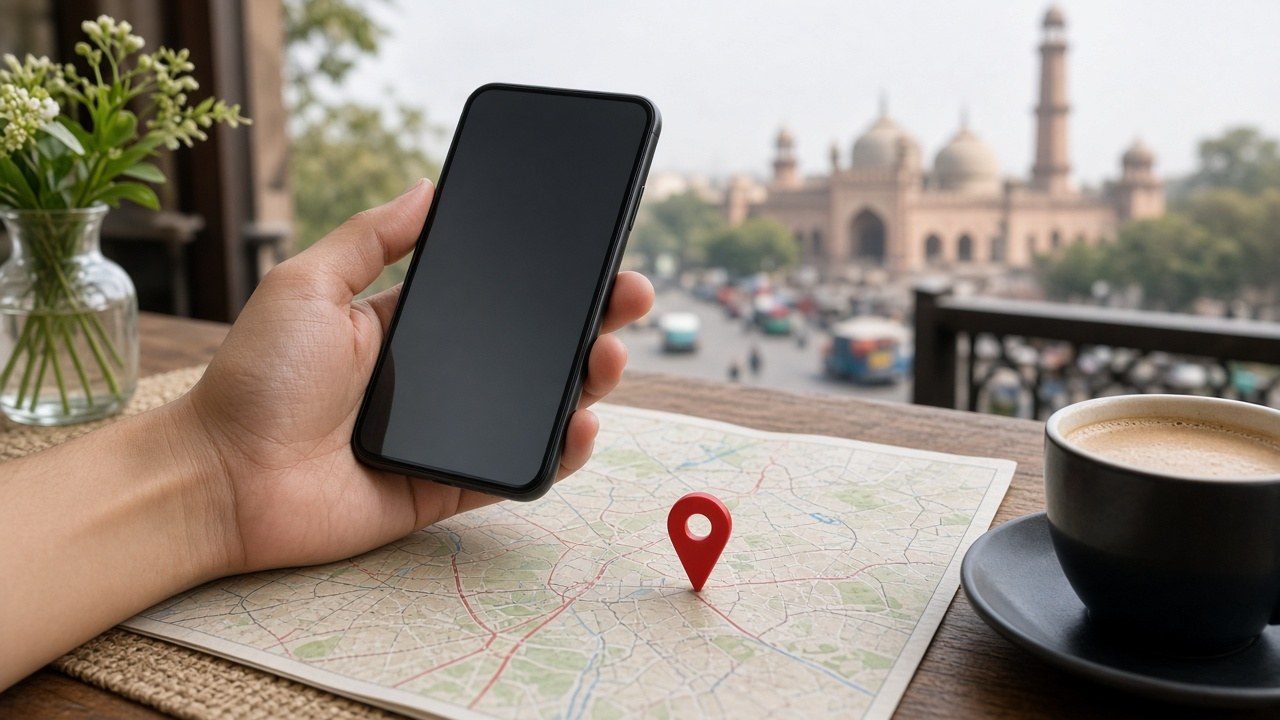
It is evening, someone is hungry, and they pick up their phone. They type a dish, a type of food, or simply “restaurant near me.” Within a minute they have made a choice.
That choice is usually made on a small screen, from a short list of names, photos, hours, and menus. If you run a restaurant or cafe in Pakistan, this moment matters to you.
This article explains what people see when they search nearby, what your listing and website should show, how to give customers a route back to you, and what to measure. It also explains how digital marketing for restaurants can sit in one plan, without promises that no honest team can make.
1How people choose a restaurant nearby
Hungry people decide from a small screen
Hours, photos, distance, and a clear menu decide who stays on the short list — customers rarely call to ask.
People who are hungry usually search on their phone for food close to them and choose from the few options that look open, nearby, and trustworthy. Your restaurant is part of that choice only if your listing, menu, photos, and hours give them enough to decide quickly.
Is this place open now? Is it close enough to walk, drive, or have food delivered? What do they serve, and roughly what will it cost? Does the food look good? Do other people seem happy with it?
If your listing answers these questions clearly, you stay on the short list. If the hours are missing, the menu is hard to find, or the photos are old, the customer moves on. They rarely call to ask.
The search usually starts with need, not your name
Many customers do not search for your restaurant by name. They search for what they want: biryani, karahi, burgers, pizza, breakfast, coffee, or dessert. They may add an area name or rely on their phone’s location.
Your listing therefore has to describe what you actually serve. A name alone does not tell a stranger that you make the dish they want tonight.
From discovery to the next order
The first search is only the beginning. If the visit or delivery goes well, the same person may look for your menu again or try to reorder. Your job online is to make each of those steps easy, from first discovery to the next order.
2What the Google listing should show, including the menu
Your Google Business Profile should show your correct name, address, phone number, hours, menu, and real photos of your food and your room. It should answer the questions a customer would otherwise have to call and ask.
The basic details
Start with the facts that must never be wrong:
- Your restaurant’s name, written the way it appears on your signboard
- Your full address and an accurate map pin
- A phone number that is answered during opening hours
- Categories that describe your restaurant honestly
- A link to your website or menu page
If you have more than one branch, each branch should have its own listing with its own address, phone number, and hours.
Hours, including holidays and Ramadan
Many customers check your hours before they leave home or place an order. Keep your regular hours correct, then update them for public holidays, Eid, and any day you close early or open late.
During Ramadan, your timings may change completely, with different hours around iftar and sehri. Update your listing before Ramadan begins, not halfway through it.
If your delivery hours differ from your dine-in hours, make that clear. A customer who wants food delivered late at night needs to know whether your kitchen is still sending orders out, even if the dining hall has closed.
The menu
The menu is often the deciding factor. A customer who can see what you serve, and roughly what it costs, is much closer to choosing you.
Add your menu to your listing in the way the platform allows, and link to a full menu on your website. Make sure the items and prices match what you actually serve. If a customer arrives expecting a dish you removed months ago, the listing has worked against you.
Reviews and replies
You cannot control what customers write, but you can reply. Thank people for positive reviews briefly and politely. When a review is negative, reply calmly, acknowledge the problem, and offer a way to resolve it. Other readers notice how you respond.
A complete listing is a start, not a promise
A complete listing helps people find you and decide. It does not guarantee a full dining hall. Food, service, price, location, and competition all play a part. The listing simply makes sure you are not losing customers because of missing or wrong information.
Show what you serve and roughly what it costs
Add the menu to your listing and keep a text menu on your website so prices and dishes stay easy to update.
Want a free look at your listing and menu?
We'll check your restaurant's Google listing, hours, menu, and photos the way a hungry customer would — and tell you what to fix first.
3How the website becomes a place to order from you
Your website should let a hungry visitor see the menu, check prices, and place an order or contact you in a few taps. It is the one place online where you control the layout, the message, and the route to order.
Start with the phone screen
Most people searching nearby are using a phone. Your website should load quickly, display clearly on a small screen, and keep the most important actions within easy reach.
The first screen should make it obvious who you are, where you are, and how to order. Buttons for the menu, ordering, calling, and WhatsApp should be easy to find and easy to tap.
Make the menu the centre of the website
The menu should be one or two taps away from any page. Write it as text, organised into clear sections, with prices next to each item.
A text menu has practical advantages. You can update a price without redesigning an image. Customers can read it without zooming. Search engines can read the dish names, which helps people find you when they search for a specific dish.
Give each branch its own page
If you have more than one location, give each branch a page with its address, map, phone number, hours, and delivery areas. This helps customers in each area find the branch closest to them.
Make ordering simple
Decide how customers should order from your website. It might be an ordering system on the site, a phone call, or a WhatsApp message. Whichever you choose, make it clear and make it work.
Explain the practical details before the customer has to ask:
- The areas you deliver to
- Your delivery hours, if different from opening hours
- How customers can pay
- What to expect after they place an order
Test the route yourself regularly. Place an order from your own phone. Call your own number during busy hours. If any step is confusing or slow for you, it is confusing or slow for your customers too.
Is the path from your website to an order clear?
We'll walk the route on a phone: menu, order options, call and WhatsApp — and show you where customers drop off.
4Photos, offers, and a clear way back to the menu
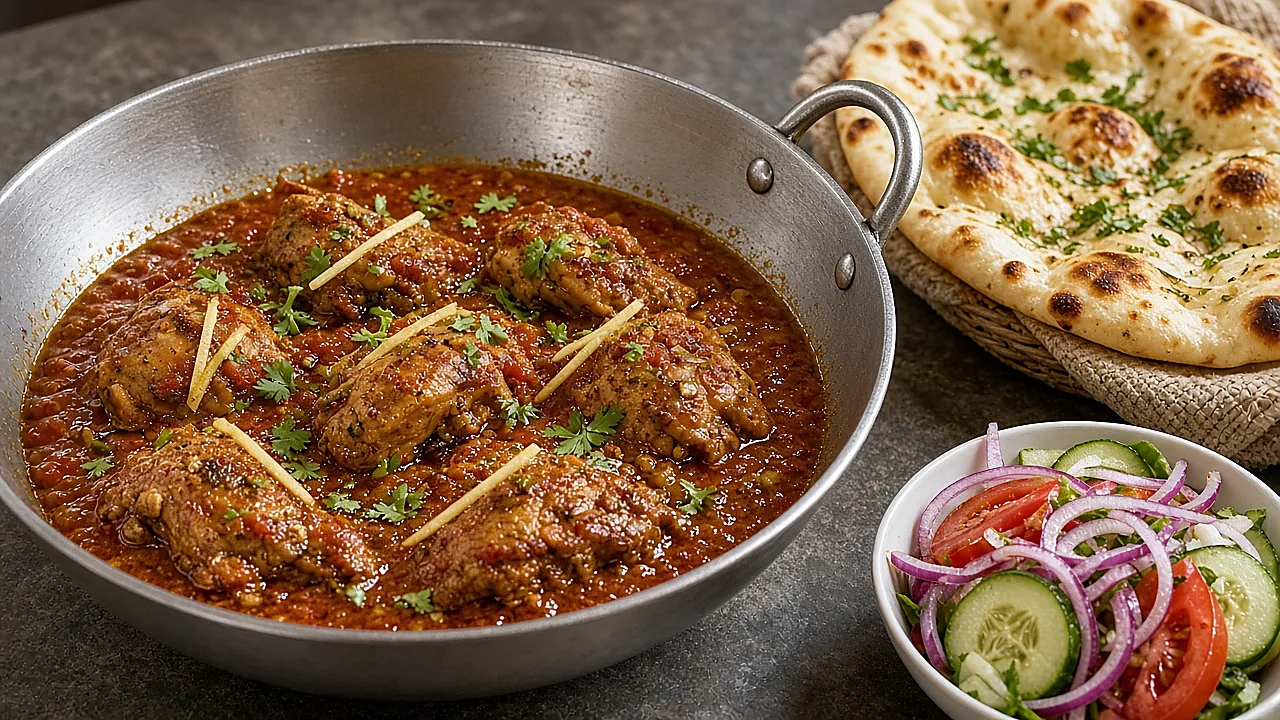
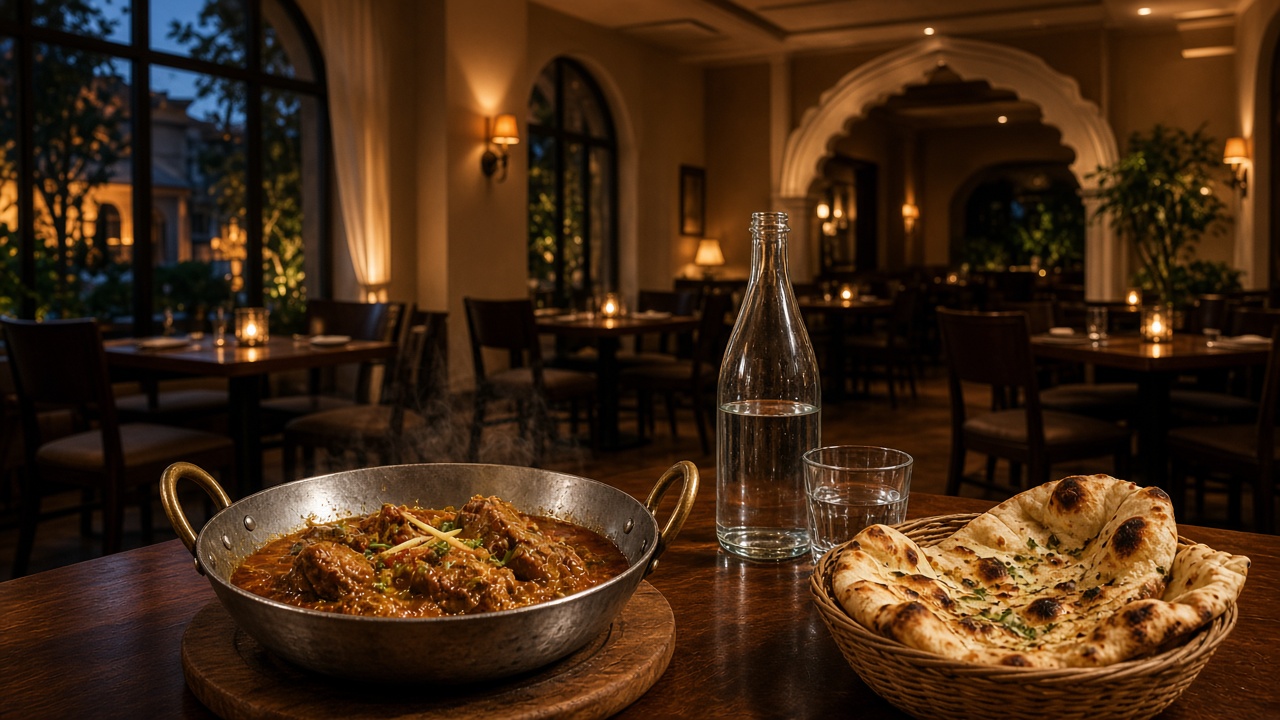
Use real photos of your own food and your own room, and present every offer with clear terms. Each photo and offer should lead people straight back to the menu so they can act on it.
Real food photos
Use photos of the food you actually serve, taken in your own restaurant. Stock images may look polished, but they do not show what you really make, and customers can often tell.
Good photos need good light, a clean plate, and a dish that looks the way it will look when the customer receives it. Photograph your most ordered dishes first, then add new items as you launch them.
Real photos of the room
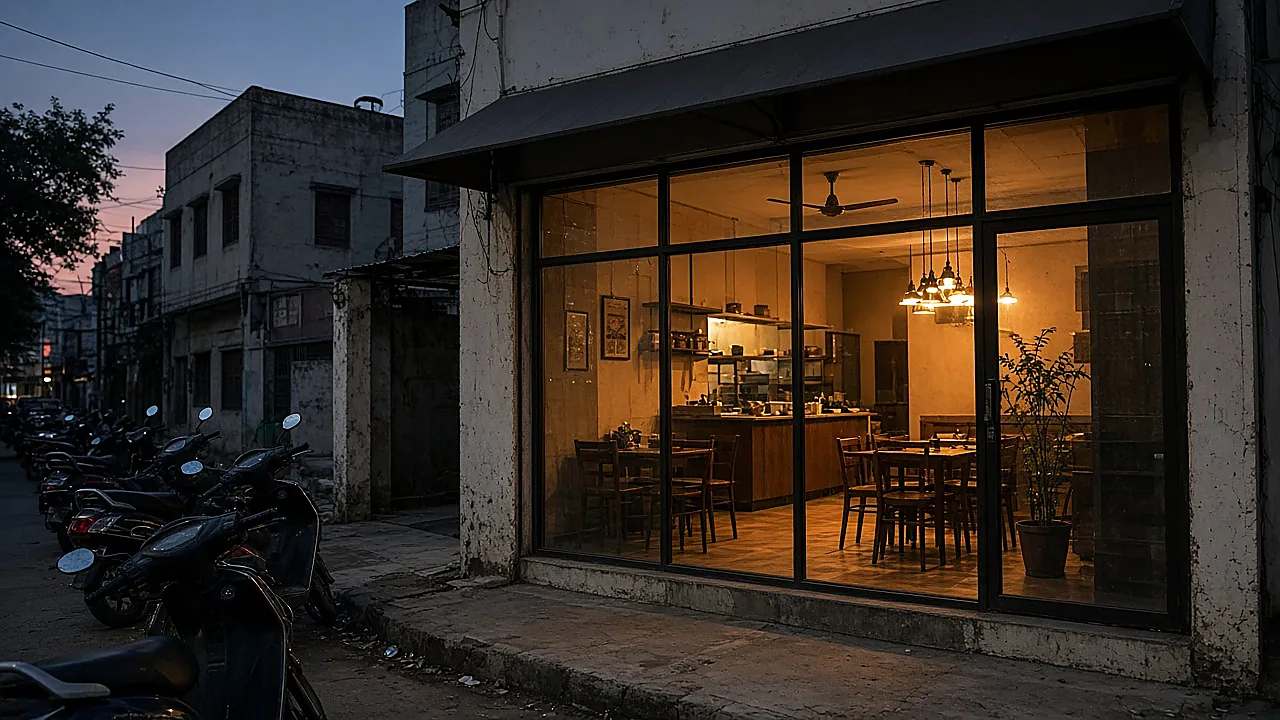
People notice when the room does not match the pictures. If your photos show a bright, spacious dining area and the customer walks into something different, trust is damaged before the food arrives.
Show your dining area as it really is, including the entrance and the outside of the building so people recognise it when they arrive. If you have renovated, replace the old photos.
Offers with clear terms
Offers can give people a reason to try you or come back. When you announce one, state plainly:
- What is included
- Which branches it applies to
- Whether it is for dine-in, takeaway, delivery, or all three
- The days, times, or dates it is valid
- Any conditions, such as a minimum order
Seasonal offers, such as iftar or sehri deals during Ramadan, should be announced early and removed when they end. An expired offer still showing online leads to awkward conversations at the counter.
Always a way back to the menu
Every photo post, offer, and announcement should give people a clear next step, usually a link or button to your menu or ordering page. If someone sees your new dish and wants it, one tap should take them to the menu, the order page, or a message to your team.
5Sending people to your own ordering channel
One route back to you
Card in the bag, QR on the table, listing and website pointing to the same phone, WhatsApp, or order page.
Your own ordering channel is a route customers use to order from you directly, such as your website, your phone line, or WhatsApp. It gives you a direct relationship with your customers and a simple route for them to reorder.
Many restaurants use a delivery app, and it can be useful for reaching new customers. Your own ordering channel serves a different purpose. It helps people who already know you come back, in a way you manage.
Practical ways to invite customers back
You can encourage direct orders through simple, honest steps:
- Include a small card in takeaway and delivery bags with your menu link, phone number, and WhatsApp number
- Put a QR code on tables, receipts, and packaging that opens your menu
- Ask staff to mention your direct ordering options when customers pay
- Make sure your website and Google listing point to the same ordering route
Keep the message consistent. If the card in the bag gives one number and the website gives another, customers will hesitate.
Clear customer communication
Ordering directly should feel at least as reliable as any other route. Confirm orders promptly. Give honest delivery time estimates, and tell customers if there is a delay. Make sure whoever answers the phone or WhatsApp has the current menu, prices, and delivery areas in front of them.
When something goes wrong, respond quickly and politely. A complaint handled well can keep a customer. A complaint ignored usually loses one.
Ask before you message
If you want to send customers updates about new dishes or offers, ask for their permission first. Keep messages relevant and occasional, and respect any request to stop.
6Where social and ads fit, with ad spend kept separate
Social media keeps your restaurant visible to people who already follow you, and paid ads can reach new people in the areas you serve. Advertising spend is paid separately from any monthly management fee, so you always know what goes to the platform and what goes to the team.
What social media is good for
Social media works well for showing what is happening at your restaurant: new dishes, seasonal menus, moments from the kitchen, changes to your hours, and offers with clear terms.
Consistency matters more than volume. A steady rhythm of useful, honest posts is better than a burst of activity followed by months of silence. Every post should give people a reason to visit your menu.
What paid ads are good for
Paid ads can put your restaurant in front of people who have not found you yet. For a restaurant, location matters most, so ads can be shown to people near your branches or within your delivery areas. Timing matters too. Ads around lunch, dinner, or iftar may be more relevant than ads when your kitchen is quiet.
Send ad traffic somewhere useful. An ad that leads to your menu or ordering page gives people a clear next step.
Keeping ad spend separate
Keeping the team’s fee and the platform spend separate is transparent. You decide how much to spend on ads, you can see where that money goes, and you can raise, lower, or pause the budget as your needs change. Review results regularly, and change what is not working rather than spending more on it.
7What to measure, without promising orders
Track calls, menus, and orders
Likes alone do not feed the kitchen. Calls, direction requests, menu views, and WhatsApp messages are closer to an order.
Measure the actions that lead toward an order, such as calls, direction requests, menu views, website orders, and WhatsApp messages, rather than likes and views alone. These numbers show what is working, but no one can honestly promise a set number of orders from them.
Actions worth tracking
Focus on actions closer to an order:
- Calls from your Google listing and website
- Requests for directions to your branches
- Visits to your menu page
- Orders placed through your website
- Messages received on WhatsApp
- Clicks from ads to your menu or ordering page
Connect online activity to real orders
The most useful measure is orders, not attention. Where you can, find out how customers reached you.
Simple methods work. Ask customers at the counter or on the phone. Use a separate code for a specific campaign. Note which orders arrive through the website, WhatsApp, or phone. Over time, these records show which channels bring people to your door.
Watch repeat orders
Repeat customers are a strong sign that your food, service, and communication are working. If repeat orders through your own channel rise, your route to reorder is doing its job.
Compare fairly
Restaurant demand changes with the season, the weather, holidays, and Ramadan. Compare results with similar periods where possible, and look at trends over several months rather than reacting to a single week.
Good reporting explains what was done, what changed, and what the numbers suggest. It does not promise rankings, orders, or revenue.
8What sits in one monthly plan
IRA Tech Solution works on one agreed monthly plan with one point of contact, covering the parts your restaurant actually needs. The plan can include your website, search and Google Business Profile, social, content, and ad management, with advertising spend kept separate.
Many restaurant owners deal with several people: one for the website, another for social media, someone else for ads. Information gets lost between them, and a menu updated in one place is forgotten in another. A single plan brings your menu, marketing, and direct orders together.
What the plan can cover
The work is agreed with you at the start and can include:
- Website: a mobile-friendly site with a clear menu, branch pages, and a simple route to order
- Search and Google Business Profile: accurate listings, hours that include holidays and Ramadan timings, menu updates, photos, and review replies
- Social: regular posts about dishes, offers, and updates, with a link back to the menu
- Content: menu descriptions, offer text, and pages that explain what you serve
- Ad management: planning, running, and reviewing ads in the areas you serve, with ad spend paid separately
You can see the full list of services IRA Tech Solution offers and the industries the team works with.
One point of contact
You have one person to tell when your menu changes, your hours shift for Eid, or you launch a new dish. That person makes sure the change reaches your listing, website, and social channels.
A Lahore team working across Pakistan
IRA Tech Solution is a Lahore digital team that works with small and medium businesses across Pakistan. If your restaurant is in Lahore, read more about digital marketing in Lahore. The team also works with businesses in other cities, including Islamabad, Karachi, and Faisalabad.
There is no public price, because each restaurant needs something different. A single cafe needs a different plan from a restaurant with several branches, so the plan and fee are agreed with you once your needs are clear.
?Frequently asked questions
Does a Google listing guarantee more orders?
Should hours include delivery hours?
Are advertising costs part of the monthly fee?
Can you work with a restaurant outside Lahore?
What if the menu changes often?
Written by Umar Butt
Entrepreneur, YouTuber, and writer. I write about marketing, local search, and what AI can do for a real business in Pakistan.