They want solar. Can they find you in their city?

Hey, I'm Umar. Marketing is the work I still get excited about, from writing and YouTube to digital marketing and what AI can do for a real business.
A homeowner in your city has decided to look into solar. A factory manager wants to understand whether a rooftop system makes sense for the building. Both of them will search, compare a few names, and contact the company that looks clear, local, and easy to reach.
The question for you, as the owner of a solar installation company in Pakistan, is simple. When that person looks, can they find you in their own city, and do they understand what you do once they arrive?
This article sets out what to publish, how to describe the areas you serve, and where advertising fits. It does not promise a number of enquiries or a position in search results. What you can control is how clearly your business is presented to the people who are already looking.
1What a solar company should publish before it runs ads
Fix the destination first
Explain the work, name the areas you install in, and put one clear enquiry path on every page.
Before you run ads, you should publish a clear website that explains your work, the areas you install in, and one simple way to enquire. You should also have a complete Google Business Profile, so that anyone who sees an ad can check that you are a real, local business.
Ads send people somewhere. If that destination is thin, unclear, or out of date, you pay for visits that do not turn into conversations. It is better to fix the destination first.
At a minimum, publish the following before any campaign begins:
- A plain description of what you install. Say whether you work on homes, businesses, or both. Say whether you design, supply, install, and maintain systems, or only some of these.
- The equipment categories you work with. You can describe panels, inverters, batteries, and mounting structures in general terms. You do not need to list brands if you are not sure they will stay the same.
- Your service area. Name the cities and areas you actually cover. Do not list places you would not travel to.
- Your process. Explain what happens after someone enquires: the first conversation, the site visit, the proposal, the installation, and any after-sales support you offer.
- One enquiry path. Choose the main way you want people to contact you, such as a form or a WhatsApp number, and make it visible on every page.
- A Google Business Profile with accurate details, real photos you have the right to use, and a correct service area.
None of this needs to be elaborate. It needs to be accurate. A short, honest page that answers a buyer’s questions is worth more than a long page of general claims about clean energy.
2How homeowners and businesses look, without a lead promise
Search, compare, then contact
A clear profile and website remove the reasons a ready buyer might leave without contacting you.
Homeowners and businesses usually search for solar by service and place, then check a few companies before they make contact. Your job is to be visible and clear at each of those checks, not to promise how many enquiries will follow.
Someone searches for solar installation with the name of their city or area. They see a map listing, a few websites, and perhaps some ads. They open two or three options, look at the website and Google profile, then decide whom to contact.
At each stage, the person is asking a small set of questions:
- Does this company work in my area?
- Does it install for homes like mine, or businesses like mine?
- Does it look established and trustworthy?
- What happens if I get in touch?
- How do I get in touch?
Homeowners often want reassurance about the process, the site visit, and support after installation. Business owners often want to know how you handle larger roofs, how you plan work around their operations, and who their point of contact will be. If you serve both groups, speak to both.
Being clear and visible does not guarantee enquiries. What good presentation does is remove the reasons a ready buyer might leave without contacting you.
3How to describe the cities and areas you install in
Describe your service area by naming the specific cities and areas you actually cover, and say plainly how far you travel. Accurate, specific wording helps buyers decide quickly and keeps you from attracting enquiries you cannot serve.
Writing “we serve all of Pakistan” is rarely helpful. A buyer wants to know whether you will come to their address.
Instead, be specific:
- Name your main city first.
- List the nearby areas, towns, or districts you regularly cover.
- If you take larger commercial projects further away, say so separately and explain how those are handled.
- If there are areas you do not cover, it is acceptable to leave them out.
Where you have a real presence in more than one city, a separate page for each city can help. Each page should explain who you serve there, how site visits are arranged, and how to contact you. It should not be a copy of another city page with the name changed.
To see how a service area can be described for different cities, look at how a digital team writes about its own coverage. IRA Tech Solution has pages for digital marketing in Lahore, digital marketing in Islamabad, digital marketing in Karachi, and digital marketing in Faisalabad. These are examples of how a business can describe the places it works. They are not a suggestion that every solar installer should claim all four cities. Your pages should reflect only the areas you genuinely serve.
Use the names local people use for their areas, keep the wording consistent across your website, Google profile, and social pages, and update it when your coverage changes.
Name the cities you actually cover
Buyers want to know whether you will come to their address. Specific wording beats 'all of Pakistan'.
Want a free look at the cities and areas you say you install in?
We'll check whether your website, profile, and ads describe the same service area — and only the places you genuinely cover.
4What the website needs: the work, the service area, and one enquiry path
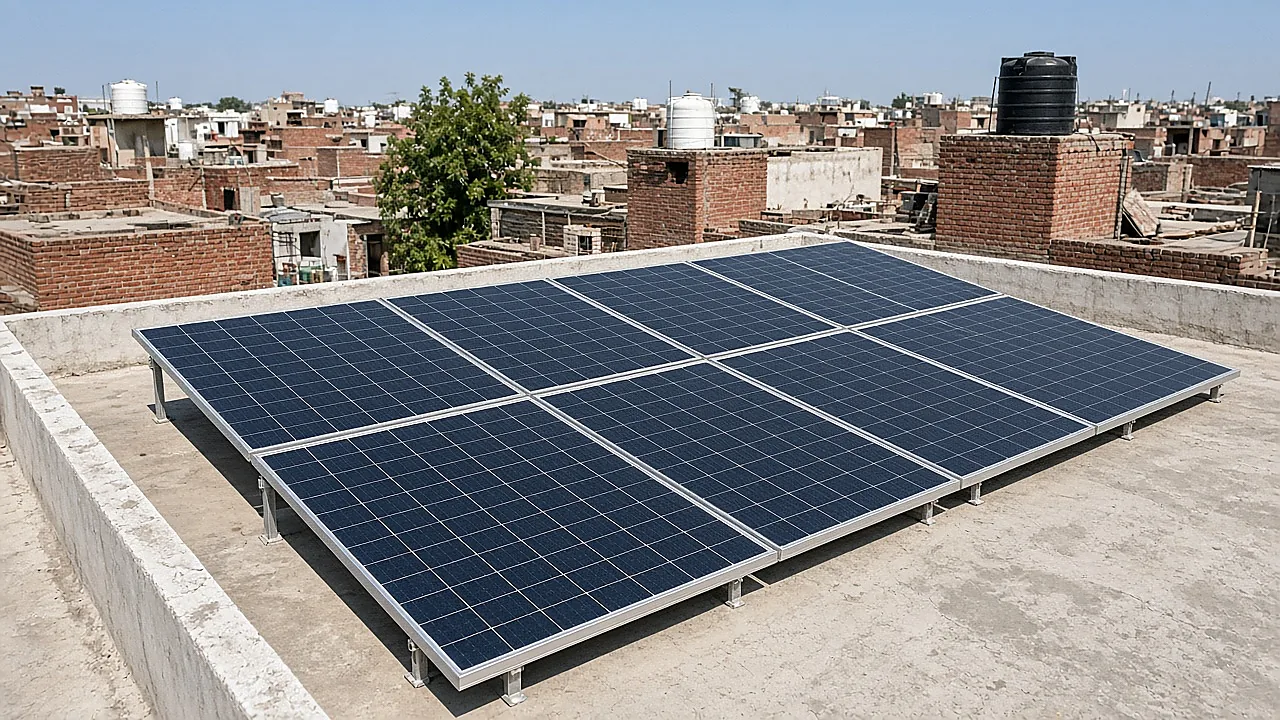
Your website needs to explain the work you do, show where you do it, and give visitors one clear way to enquire. If a visitor cannot answer those three questions within a short visit, the website needs attention before anything else.
Your Google profile, social posts, and ads all send people to the website. It should make your expertise easier to discover and give a clearer path to enquiry.
The work
Explain what you install and for whom. A useful structure is:
- A short opening statement on the home page that says what you do and where.
- A page or section for residential installations, if you offer them.
- A page or section for commercial or industrial installations, if you offer them.
- A section describing your process from first contact to after-sales support.
- A section on the equipment categories you work with, written in general terms.
Write in plain language. Most buyers are not engineers. Explain what a site visit involves and what they will receive afterwards. If you offer maintenance visits, say so. If you do not, do not imply it.
The service area
State your service area clearly on the home page and on your contact page. If you have city pages, link to them from the main navigation or from the home page. Make sure the areas named on the website match the areas named on your Google profile.
One enquiry path
Choose one main enquiry path and make it obvious. For many solar companies in Pakistan, that is WhatsApp, a phone number, or a short form. You can offer more than one, but one should be clearly the main option, repeated on every page.
Keep forms short: name, phone number, city or area, and whether the enquiry is for a home or a business. Collect more detail during the first call.
Test the path yourself. Send a message, submit the form, and call the number. A clear path that nobody answers is worse than no path at all.
Before you call the website ready, check that it works well on a mobile phone, that the numbers are correct and tappable, and that the contact details match your Google profile.
5How to show installations without naming a client
Show the work, not the address
Property type, general area, equipment categories, and process — without house numbers or identifying landmarks.
You can show your installations by describing the type of property, the general area, the equipment categories, and the steps you followed, without naming the customer or identifying their home. Use photos only when you have the right to use them and when they do not reveal private details.
Buyers want to see real work, but your customers have a right to privacy. Turning installations into useful content does not require names. For each installation, you can usually describe:
- The type of property. For example, a family home, a small office, a shop, or a factory roof.
- The general area. A city or broad area is usually enough. Avoid street names, house numbers, or landmarks that identify a specific property.
- The equipment categories. Panels, inverters, batteries, and mounting structures, described in general terms.
- The challenge and the approach. For example, a roof with limited space, or work that had to be planned around business hours. Describe only what actually happened.
- The process. The site visit, the design, the installation, and the handover.
Photos
Only use photos you have the right to use, such as photos your team took where the customer has agreed to their use. Before publishing, check for house numbers, signage, number plates, and people who have not agreed to appear. If a photo shows any of these, crop it or do not use it. When in doubt, ask the customer first and keep a record of their agreement.
What not to do
Do not invent a project or combine details from different jobs into one story. Do not use stock images and imply they show your work. Do not quote figures about a customer’s bills. If you are not sure a detail is correct, leave it out.
Process content is also safe. A short post on how your team prepares for a site visit shows expertise without relying on any customer’s story.
6What the Google profile should say for a service-area business
Your Google Business Profile should show your real business name, an accurate category, the areas you serve, your contact details, and honest photos of your work. If customers do not visit your premises, you can show a service area instead of a street address.
Many solar companies travel to the customer rather than the customer coming to them. Your profile should reflect that.
The essentials
- Business name. Use the name your business actually uses on its signage, documents, and website. Do not add city names or service keywords that are not part of that real name.
- Category. Choose the category that best describes your main service.
- Service area. List the cities and areas you genuinely cover, matching the wording on your website.
- Address. If customers visit an office, show it. If they do not, you can hide the address and rely on the service area.
- Phone, WhatsApp, and website. Make sure these match your website exactly.
- Hours. Show the hours when someone can actually respond to enquiries.
The description
Write a short, factual description. Say what you install, for homes or businesses or both, and which areas you cover. Describe your process briefly. Avoid exaggerated claims and avoid promising savings.
Photos and updates
Add photos of your team and installations you have the right to show, using the same privacy checks as your website. Post occasional updates about your process or a recent installation type, without identifying the customer.
Reviews
Ask satisfied customers if they would leave a review, and respond politely to all reviews. Do not offer payment or gifts for reviews, and do not write them yourself.
Consistency
If the name, phone number, or service area differs from your website, it creates doubt. Keep them identical, and review them whenever something changes.
Want a free look at your Google profile and service area?
We'll review your profile name, category, service area, contact details, and photos against what your website says.
7Where ads fit, with spend kept separate
Ads fit after your website and Google profile are ready, and they work best when they point to the specific projects you want more of. The money paid to the ad platforms is separate from any monthly management fee.
Ads can put your business in front of people who are searching now. They can help when you are entering a new area or promoting a specific service. They do not replace a clear website or an accurate Google profile.
Connect campaigns to the projects you want
Before you run a campaign, decide what kind of work you want from it. For example:
- Residential installations in a specific city.
- Commercial rooftop projects within a defined area.
- Maintenance visits for existing systems, if you offer them.
Then build the campaign around that choice. Use wording that speaks to that buyer, target the areas you actually serve, and send visitors to the page that matches the ad, not a general home page.
Keep spend separate from management
Advertising has two costs: the amount you pay the ad platform, and the fee for planning, setting up, and adjusting the campaigns. Keep them separate, so you can always see how much went to the platforms and how much went to the work.
Understand which marketing brings useful enquiries
Not every enquiry is useful. Some will be outside your area, and some will be early research. Track where enquiries come from and which ones turn into site visits and projects. Over time, this shows which channels bring useful enquiries, so you can adjust where your effort and budget go.
A simple habit helps: ask every new enquirer how they found you, record their city or area, and review the results regularly.
8What sits in one monthly plan
A single monthly plan can bring your website, search and Google Business Profile, social media, content, and ad management under one team with one point of contact. You agree the scope together, and advertising spend stays separate from the monthly fee.
Many solar company owners end up working with several different people for the website, social media, and ads. Nobody looks at the whole picture, and it is hard to tell what is working.
IRA Tech Solution is a Lahore-based digital team that works with small and medium businesses across Pakistan. The approach is one agreed monthly plan with one point of contact. The services that can sit in that plan are:
- Website. Building or improving the site so it explains your work, your service area, and your enquiry path.
- Search and Google Business Profile. Making your business easier to find for people searching in the areas you serve, and keeping your profile accurate.
- Social. Regular posts that show your process and your work, following the same privacy rules you use elsewhere.
- Content. Pages, articles, and installation descriptions that make your expertise easier to discover.
- Ad management. Planning and running campaigns connected to the projects you want, with platform spend kept separate from the monthly fee.
Not every business needs every service. The plan is agreed around what your company needs now and can change later. There is no public price, because the scope differs from one business to another.
You can read more about how this works for installers on the page for digital marketing services for solar companies. For the full list of what the team offers, see the services overview, and for the other sectors the team works with, see the industries page.
The value of one team is that the website, profile, posts, and campaigns all say the same thing about the same service area, and you have one person to ask.
?Frequently asked questions
Will this guarantee enquiries?
Should the business name include a city keyword?
Can you name a customer's home in a post?
Is the ad budget part of the monthly fee?
Do you work only in Lahore?
Written by Umar Butt
Entrepreneur, YouTuber, and writer. I write about marketing, local search, and what AI can do for a real business in Pakistan.